Ford Transit 250 vs Transit 350 in Holly, MI
Ford Transit 250 vs Ford Transit 350
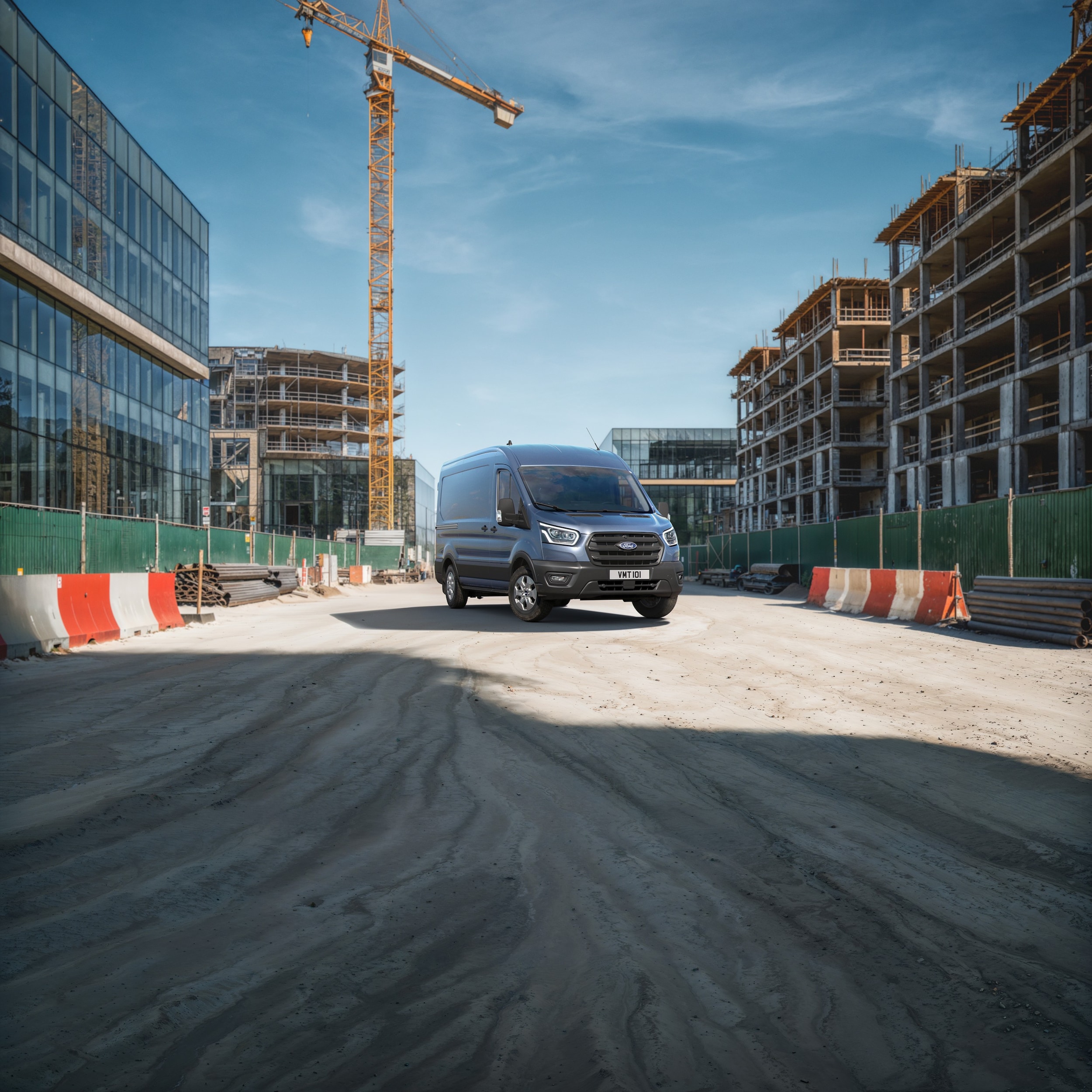
If you're looking for a commercial van near Holly, MI, you might be wondering whether the Ford Transit 250 is enough or if you need the extra capacity of the Ford Transit 350. At Szott Ford, we have both options. The right choice depends on what you need to carry, not just the specs.
Engine and Drivetrain
Both the Transit 250 and Transit 350 come with a 3.5-liter V6 engine and a 10-speed automatic transmission. If you need more power for tough jobs near Clarkston, MI, you can upgrade to the 3.5-liter EcoBoost V6 on either van. Rear-wheel drive (RWD) is standard, but you can get all-wheel drive (AWD) if you often drive in snowy or icy conditions near White Lake, MI.
Payload and GVWR: The Real Split
This is where the two vans differ. The gross vehicle weight rating for these Transit models ranges from 8,670 to 11,000 pounds, and payload capacity goes from 3,060 to 5,110 pounds, depending on how you configure them. The Transit 250 is designed for lighter loads and uses a single rear wheel, making it well-suited for daily tools and standard freight. The Transit 350 handles heavier loads and offers a dual rear wheel option, which is ideal if you run a mobile workshop in Grand Blanc, MI, or regularly haul building materials.
The difference in GVWR is important if your business moves furniture, appliances, or palletized freight. It sets the legal limit for what you can carry, and overloading a van can cause more problems than just losing your warranty.
Cargo Space and Configurations
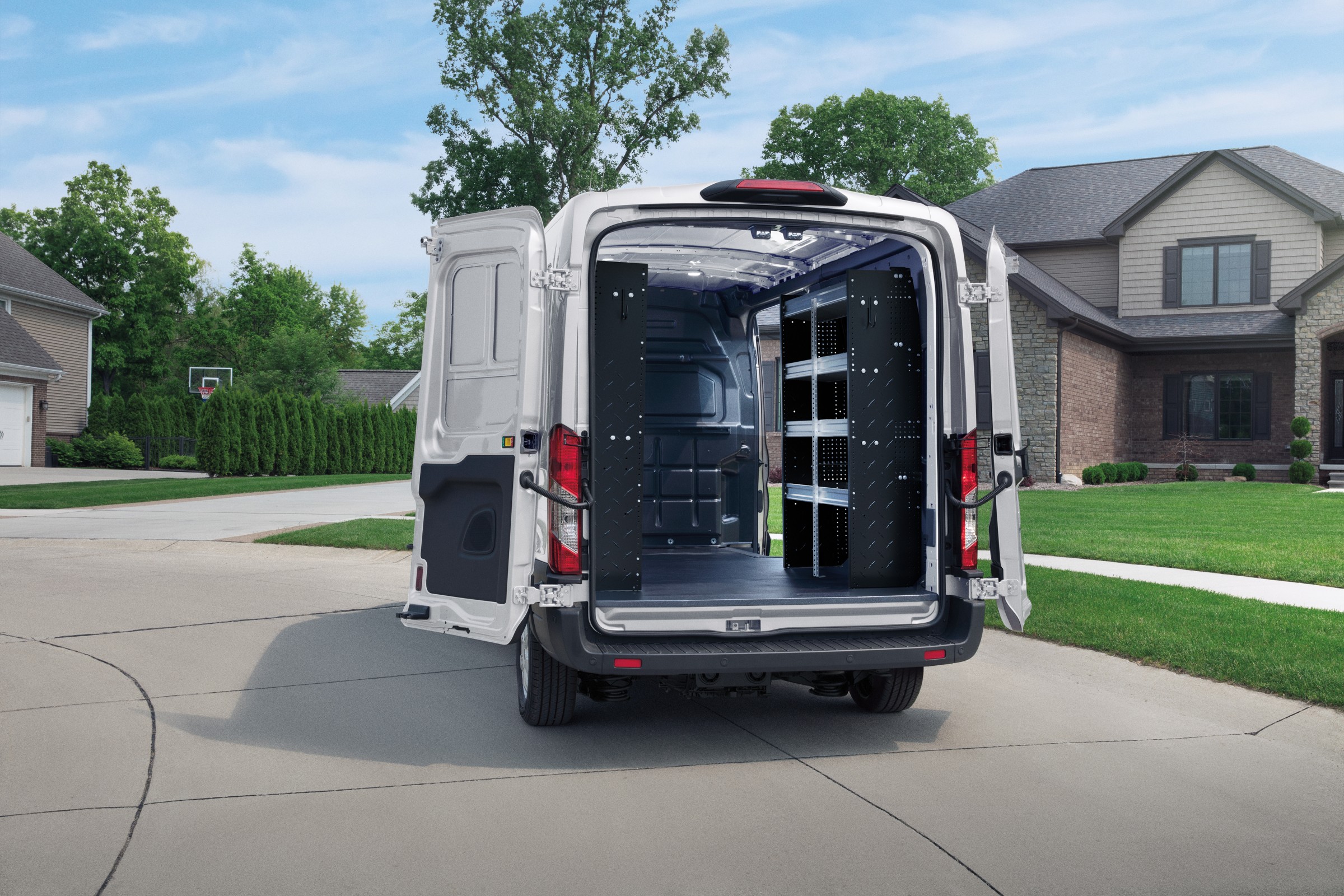
You can get either van with a low, medium, or high roof, and with a 130-inch or 148-inch wheelbase. If you're a florist or run a mobile service near Highland, the shorter wheelbase and low roof should work well. If you have a delivery fleet near Waterford Township and need to haul larger items, the longer 148-inch wheelbase and high roof give you more space and standing room in the back.
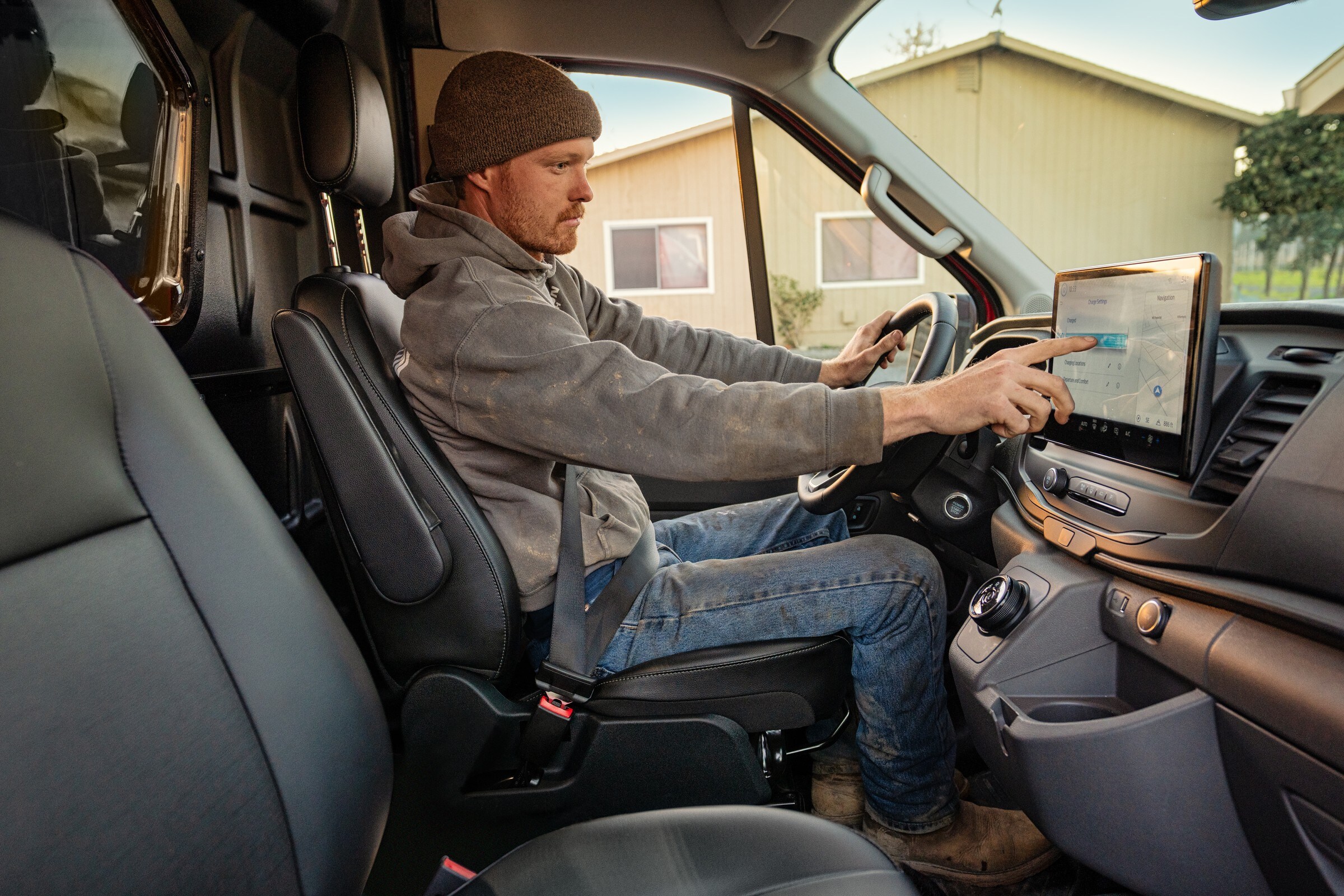
Both vans come with the same interior technology. You get a 12-inch touchscreen with wireless Apple CarPlay® and Android Auto™, plus Ford Co-Pilot360 features like forward collision mitigation and a 360-degree camera. These features are especially helpful for tight loading docks and job sites around Fenton.
Which One Fits Your Business
If you're considering a Ford Transit, choose the Transit 250 if your daily loads are under about 4,000 pounds and you don't need dual rear wheels. Electricians and couriers who work local routes usually go with this model. Go with the Transit 350 if you need to carry heavier loads or want the stability of dual rear wheels for uneven cargo. It's also a better choice if you plan to add things like refrigerated shelving or build a mobile office.
At Szott Ford in Holly, MI, we have both van options and can help you review the order details to find the best fit for your business. If you're new to financing a work van, our team can explain commercial financing and fleet programs before you decide. You can also schedule a test drive or check out our current inventory to compare the Transit 250 and Transit 350 in person.
Frequently Asked Questions
The core difference is gross vehicle weight rating and payload capacity. The Transit 350 is rated for heavier loads and offers a dual rear wheel option that the Transit 250 doesn't have.
Yes. Both offer the standard 3.5-liter V6 and the optional 3.5-liter EcoBoost V6, paired with the same 10-speed automatic transmission.
All-wheel drive (AWD) is available on both the Ford Transit 250 and Ford Transit 350.
Most new businesses in Fenton and Grand Blanc find that the Transit 250 is enough, since it handles lighter daily hauling and doesn't come with the extra cost of dual rear wheels.
Not really. Both vans have the same cab, steering, and brakes. The Transit 350's higher GVWR is due to suspension and axle upgrades, so the driving experience feels the same.
Shop New
Mustang ConvertibleStarting MSRP $40,440
Mustang CoupeStarting MSRP $32,995
Bronco SUVStarting MSRP $40,795
Bronco Sport SUVStarting MSRP $31,845
Escape SUVStarting MSRP $30,350
Expedition SUVStarting MSRP $58,300
